






>
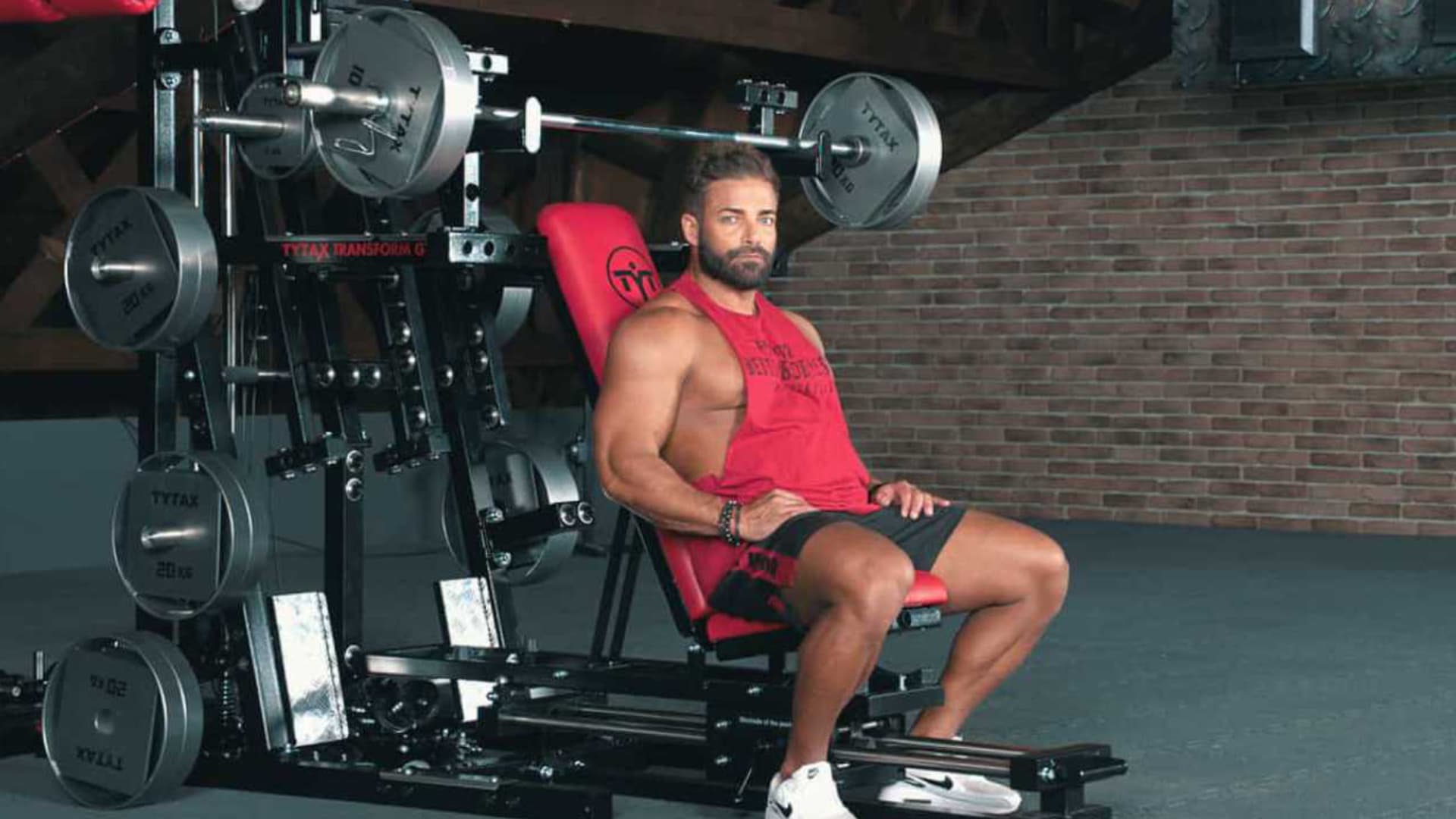


DEFINE YOUR LIFESTYLE WITH TYTAX®
>
Strength training and power training are two forms of resistance training that enhance muscle strength and power. They are often mistakenly considered the same.
Also known as resistance training, strength training involves exercises aimed at increasing muscle strength and endurance. Its goals include enhancing muscle strength, tone, and mass, thereby allowing for heavier loads and more intense efforts. Common tools include weights, resistance machines, dumbbells, barbells, and resistance bands. Typical exercises are squats, deadlifts, barbell bench presses, shoulder presses, and lunges.
Power training aims to quickly generate muscle force. It's crucial in sports requiring rapid, powerful movements like sprinting or long jump. Exercises often involve plyometrics and movements seen in Olympic weightlifting, focusing on developing muscle power, speed, and reactivity. Common exercises include box jumps, medicine ball throws, and kettlebell swings.
It's well-known that 150 minutes of moderate aerobic activity is recommended weekly. However, muscle-strengthening exercises, also essential, should be performed two to three times weekly. Despite the benefits of aerobic activities, strength training is crucial for maintaining muscle and bone strength as you age, supporting everyday activities and health management. Although less familiar, power training complements strength training by enhancing speed and reactivity.
Strength and power training are also suitable for older adults, improving health and youthfulness. These exercises are accessible on TYTAX machines, which offer a variety of exercises for comprehensive muscle strengthening.
Maintaining muscle strength is crucial for various daily tasks and overall health. Starting in the mid-30s, muscle mass and strength gradually decline, increasing the risk of injuries and affecting spine protection. Regular strength and power training can prevent these effects, aiding in everyday activities and supporting long-term health. Large muscle mass also supports brain function, highlighting the importance of consistent muscle-strengthening exercises.
Learning the distinctions between strength and power training, along with understanding how muscles function, is vital as aging and inactivity can significantly impact muscle strength and power.