






>



DEFINE YOUR LIFESTYLE WITH TYTAX®
>
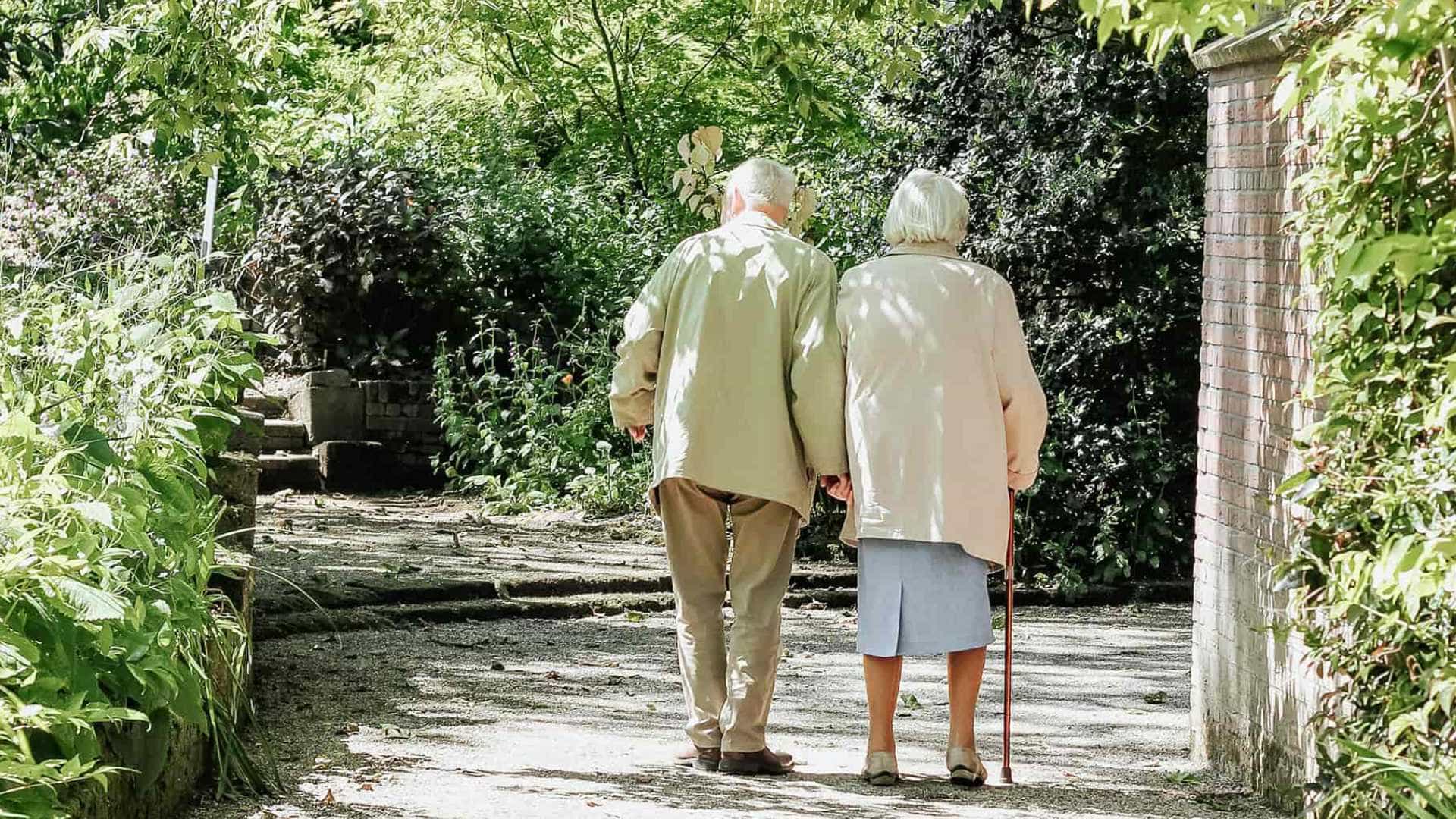
As we age, our muscles gradually decrease in size and strength, impacting our ability to perform everyday tasks like standing from a seated position, climbing stairs, or carrying groceries.
According to research published in the Journal of Physiology, lifelong physical activity can safeguard against sarcopenia-age-related muscle loss which parallels osteoporosis in bones. Even minimal exercise can significantly bolster muscle function in later life. It's crucial to stay active to prevent muscle atrophy, which can develop rapidly during periods of inactivity, particularly during unsuccessful weight loss attempts that do not focus on maintaining muscle condition. Continuous weight gain and loss cycles can exacerbate muscle tissue reduction and decrease muscle strength.
Sarcopenia often begins after age 40, with muscle mass and strength diminishing without preventive measures like regular exercise, accelerating as we age. This creates a cycle of muscle loss and weakening, leading to significant muscle reduction by age 70, often replaced by fat and fibrous tissue.
Sarcopenia is linked with various health issues, including osteoporosis, falls, and poor life quality. This muscle weakening can result from prolonged inactivity due to illness or injury. Notably, muscle atrophy can severely impair the elderly, causing difficulties in performing simple tasks like reaching for items or opening jars. Regular muscle care is essential, especially before and after surgical procedures to minimize the risk of permanent muscle loss.
Loss of muscle mass due to inactivity can occur even in younger individuals. Starting with small, frequent physical activities can make a significant difference.
While no drugs currently effectively treat sarcopenia, strength training and a protein-rich diet are highly beneficial. Resistance training can notably increase muscle mass and strength within weeks, even in less active elderly populations.
An Australian study at the University of Sydney highlighted that strength training could improve cognitive function in individuals with mild cognitive impairment, a precursor to dementia. This underscores the broader health benefits of regular physical activity.
Muscle loss can increase the risk of conditions like urinary and fecal incontinence, severely affecting life quality. Home gyms are advantageous for consistent, weather-proof workouts to maintain muscle strength and health.
Engaging in any physical activity consistently is always preferable to remaining inactive, crucial for maintaining muscle and overall health.