





>
DEFINE YOUR LIFESTYLE WITH TYTAX®
>
During strength or power training exercises, muscles engage in concentric, eccentric, and isometric actions: Concentric action: Muscles shorten, moving the joints, as when bending an arm to lift a weight. Eccentric action: Muscles lengthen while joints move, controlling the descent of loads, for example, when lowering a shopping bag. Isometric action: Muscles generate force without significant change in length or joint movement, like pushing against a wall. These actions alternate during various exercises, such as the biceps shortening to lift and lengthening to lower a weight, with opposing muscles like the triceps performing reverse actions.
Both concentric and eccentric actions are crucial for muscle strength, with eccentric action particularly effective but possibly causing discomfort post-training. Strength training should pace to optimize strength gains and minimize discomfort. Isometric exercises stabilize the body and help maintain posture during activities like overhead presses.
Effective strength training requires understanding these muscle actions to minimize injury risk and maximize training results.
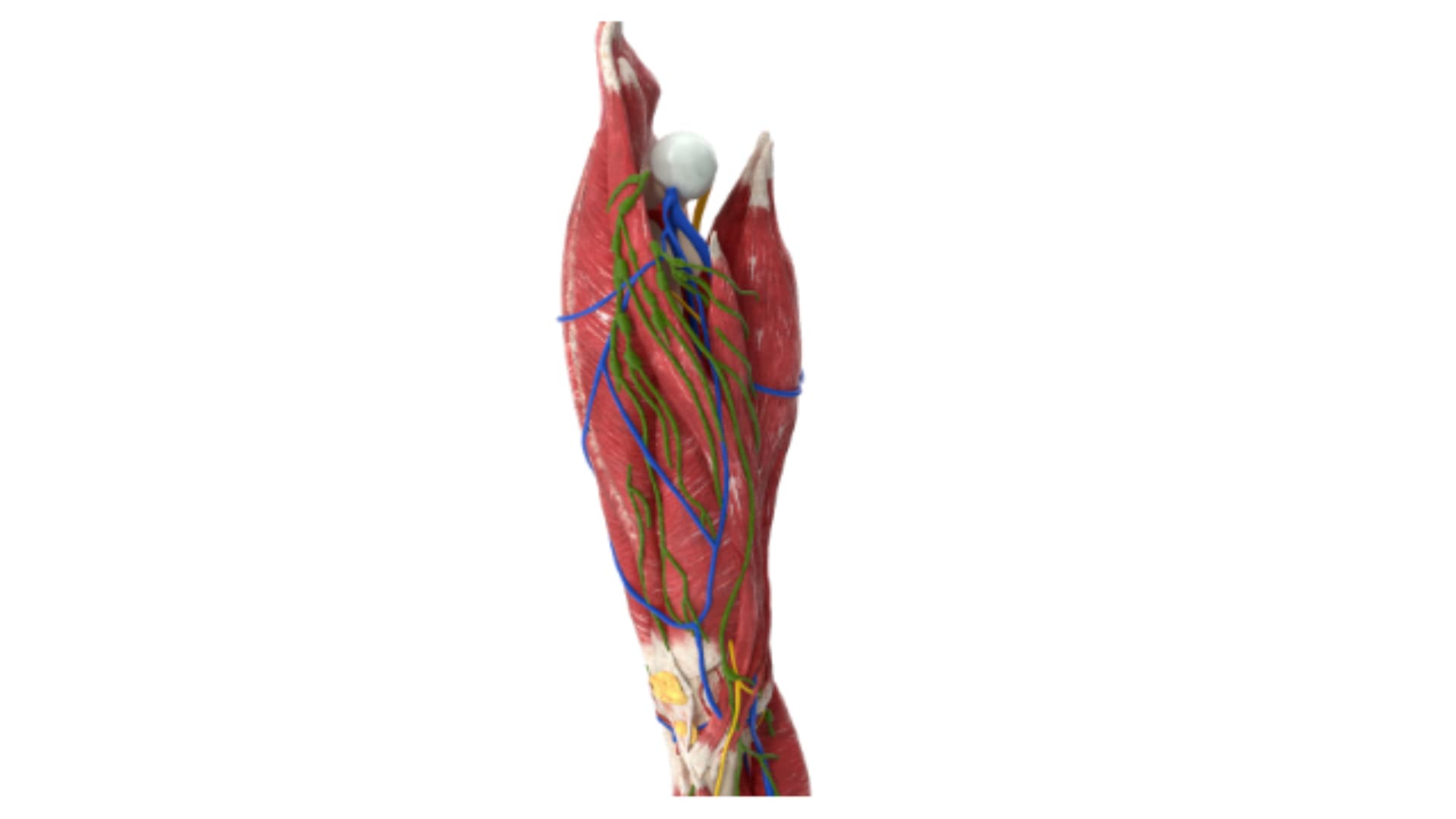
Muscle fibers, grouped into bundles called fascicles, are surrounded by connective tissue visible as muscle bands. These fibers are arranged in parallel in skeletal muscles, while more complex arrangements exist in other muscles like the heart. Each fascicle acts independently, allowing precise control over muscle contractions necessary for various movements. Motor neurons stimulate these fibers to contract, contributing to muscle growth and increased mass through regular exercise. Although hormonal differences influence muscle size, particularly in women, strength training offers multiple health benefits, including increased bone density and improved metabolism.
Gym and weight training stimulate muscle protein production, leading to strength improvements and visible muscle growth, with individual results varying by genetics and lifestyle.
While complex, these insights provide a general understanding of muscle functionality and response to training.
Skeletal muscles consist of slow-contracting and fast-contracting fibers: Slow-contracting fibers excel in endurance activities like walking or swimming. Fast-contracting fibers perform best in high-intensity, anaerobic activities such as sprinting or jumping.
Fast-twitch fibers are stimulated by power training, while endurance training enhances slow-twitch fibers. Daily activities typically engage both fiber types.
Understanding these fibers' roles in various physical activities helps tailor training to achieve specific fitness goals.